
Changes for 2027:
Removed the requirement to be roped up on the glaciers. The Skills Check assessment will become a glacial ski mountaineering education seminar hosted by our guides, free for all racers and volunteers.
Minimum team size lowered from 3 to 2 racers for both Full and Short Courses. Maximum of 4 racers per team for both distances.
Altered our pricing structure to make it more affordable for teams of 2 while also allowing flexibility to spread fixed costs out among a larger team of 4.
Short Course high points the Easton Glacier climb and descends to the Finish from there.
Selected as the USA Skimo’s National Team Championship for 2027!
The Longer Explanation:
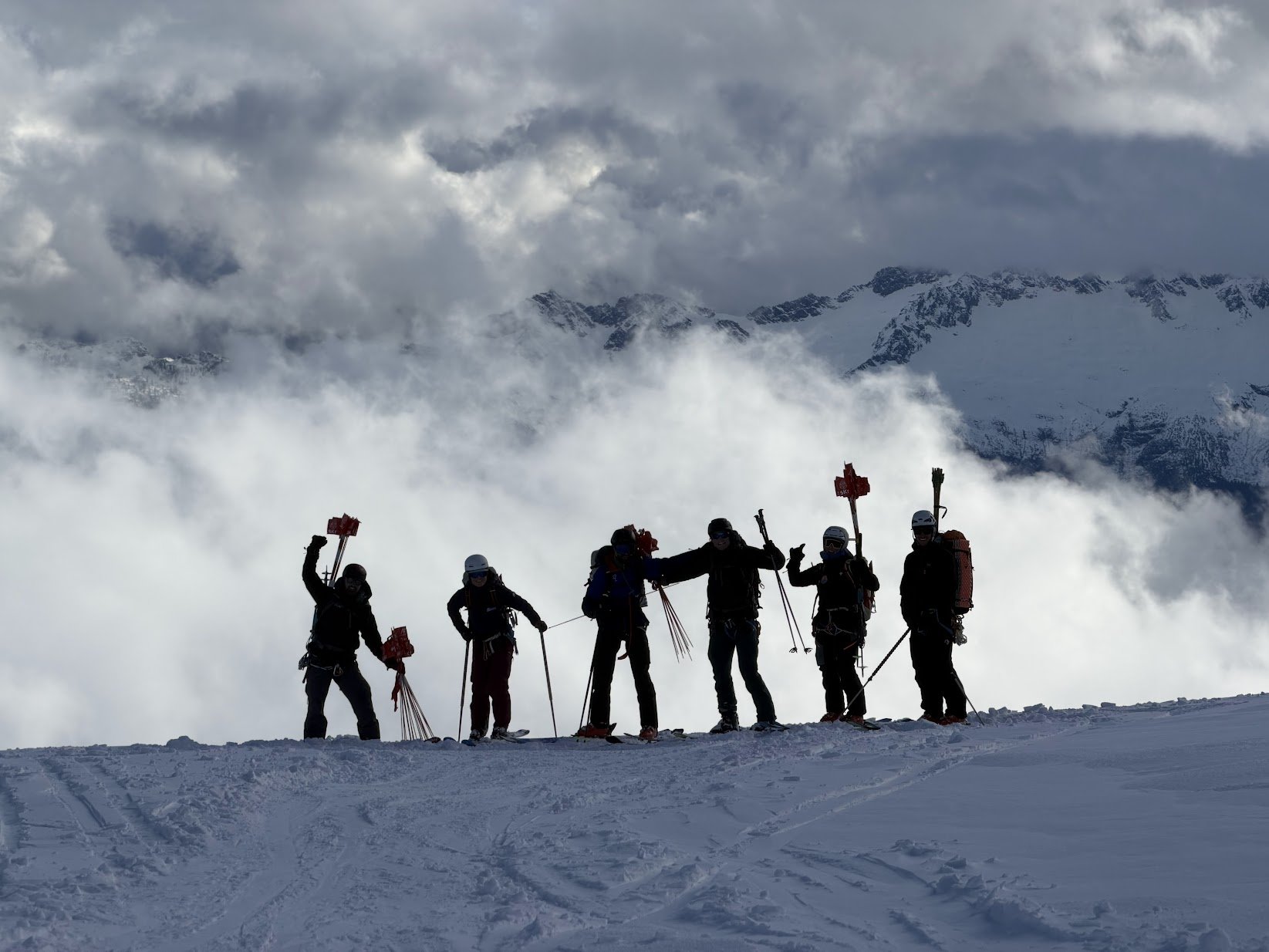
PC: Dylan DesRosier
The 2026 running of the Randonnée was our third successful year and our third test of our the systems we’ve built to confidently host a safe, reliable, celebration in wild terrain. Since I envisioned this race almost a decade ago, we have taken inspiration from other apex level competitions, namely the Grand Traverse, the Patrouille des Glaciers, and even Hardrock 100. But seeing as there is no similar event to the Kulshan Randonnée taking place on glaciers and 100% in the backcountry, we had to develop our entire safety mitigation and operations plan from scratch. How were we going to send teams out onto high alpine terrain and keep them safe, probably in inclement weather? I have been very lucky to have surrounded myself with the best team imaginable to tackle that question. We developed a plan, but it’s impossible to really test it until race day. Our first year, 2023, ended in disappointment with deteriorating weekend conditions that forced us to cancel. 2024 showed that we can do it, even without snowmobile support. 2025 showed we can still host the event in poor conditions (and also how great sleds are!), and 2026 confirmed that our systems are solid, but not perfect. Each year we take what we learned from the past and tweak how we operate this race.
Our vision though is steadfast: to celebrate Kulshan, her people, and their stories. To provide a memorable experience of challenge on the mountain with friends, hopefully some good skiing, and to do so safely.
Removing the rope requirement was not a decision we made lightly. After observing the past three years, our multi layered risk mitigation model shifts the focus to proper route selection, probing, and especially good marking to allow safe passage on the glaciers. The 1,400 wands we emplace in two days provide an immense amount of security, along with the rest of our on course support (multiple rescue teams, snowmobiles, checkpoint volunteers, GPS tracking, communication network, etc). Our guide partners with Cascade Mountain Ascents and Kulshan Guiding Collective operate weekly on Mount Baker and are able to stay in tune with conditions as they develop over the season. As you may know, being roped up on a glacier does not provide automatic safety; some teams were utilizing the rope in such a way that it was presenting more of a hazard. Racers will still be required wear a harness with a quick attachment sling and carry a rope within the team.
Culturally, I am sad to see the roped requirement change. The element of the rope tying the team physically and emotionally together is not to be understated. While many of us in the Cascades are accustomed to glacier travel, many backcountry travelers in other mountain ranges are not. Our aim is to provide this experience to as many people as we can and lowering the bar for technical experience will help make that possible. The focus of Race Check In Friday shifts from an Assessment to Education, allowing those from different ranges to gain a familiarity of the terrain before they travel into it the next day.
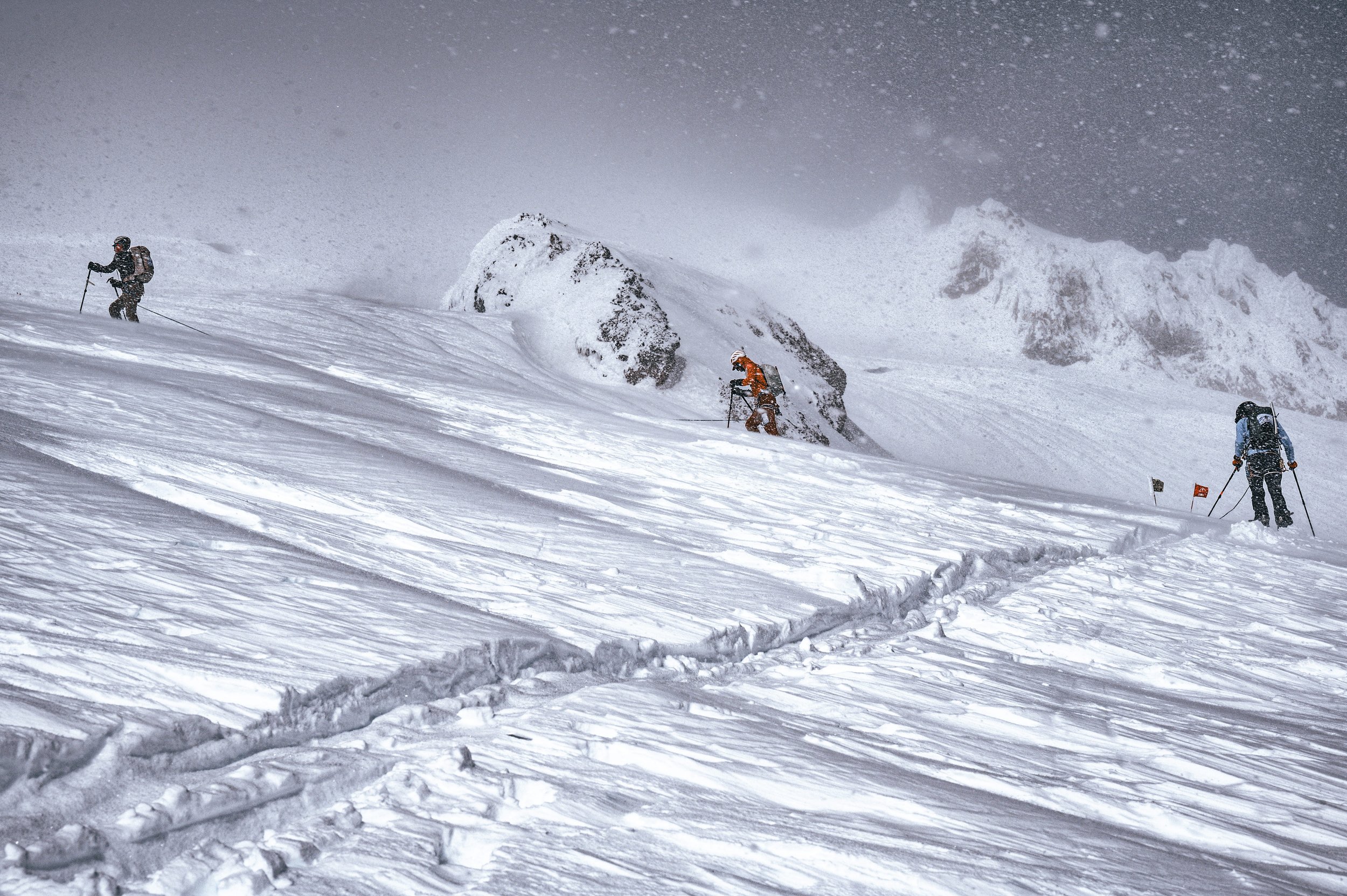
PC: Dylan DesRosier
Especially with the addition of the Short Course, an average backcountry skier or snowboarder who is able to climb 5,000’ in a day is able to do this race, even if you’ve never been on a glacier before. After last year’s experiment, the Short Course will shadow the Full up until the last, and biggest, climb of the day up the Squak Glacier. That means Short Coursers still get the full glacier experience on the Easton Glacier!
Without the rope, it doesn’t make sense to keep the minimum team size of 3 for the Full. Teams of 2 are much easier to form and manage if someone has to back out unexpectedly. Want to race with a third or a fourth friend? That’s allowed too, and helps make the entry price cheaper for everyone! This should allow for more racers to make it to the start line.
And frankly, this race is not viable without attracting additional racers. Our budget is about $25k, pennies compared to the PdG (funded by the Swiss military with hundreds of paid soldiers to plan and execute). Due to the number of rollovers from 2025, our 2026 revenue was under $6k. The entire SnowGoat Skimo series is in a dire financial situation from most of the canceled 2026 season. Without big corporate sponsors, we are reliant on attracting enough race teams to make this race sustainable. We acknowledge the high registration costs; unfortunately that’s what is required. We’ve altered the pricing structure this year to allow for a cheaper base price for two racers while also decreasing costs if you add more racers to the team. And we commit to always sponsoring one free team entry, selected from our Scholarship Application, if cost is still a factor.
We hope these changes will make this an even better experience for the community. If you have suggestions, thoughts, comments, or complaints, we are always listening. Lastly, I want to leave with the exciting news that the race was selected by USA Skimo to host the National Teams Championship for 2027! This will be the first time hosted by a PNW venue; we look forward to welcoming all USA Skimo racers to the Cascades!
Oh, and we are thinking of switching the finish line chili to pizza coupled with a bowl of marinara sauce!
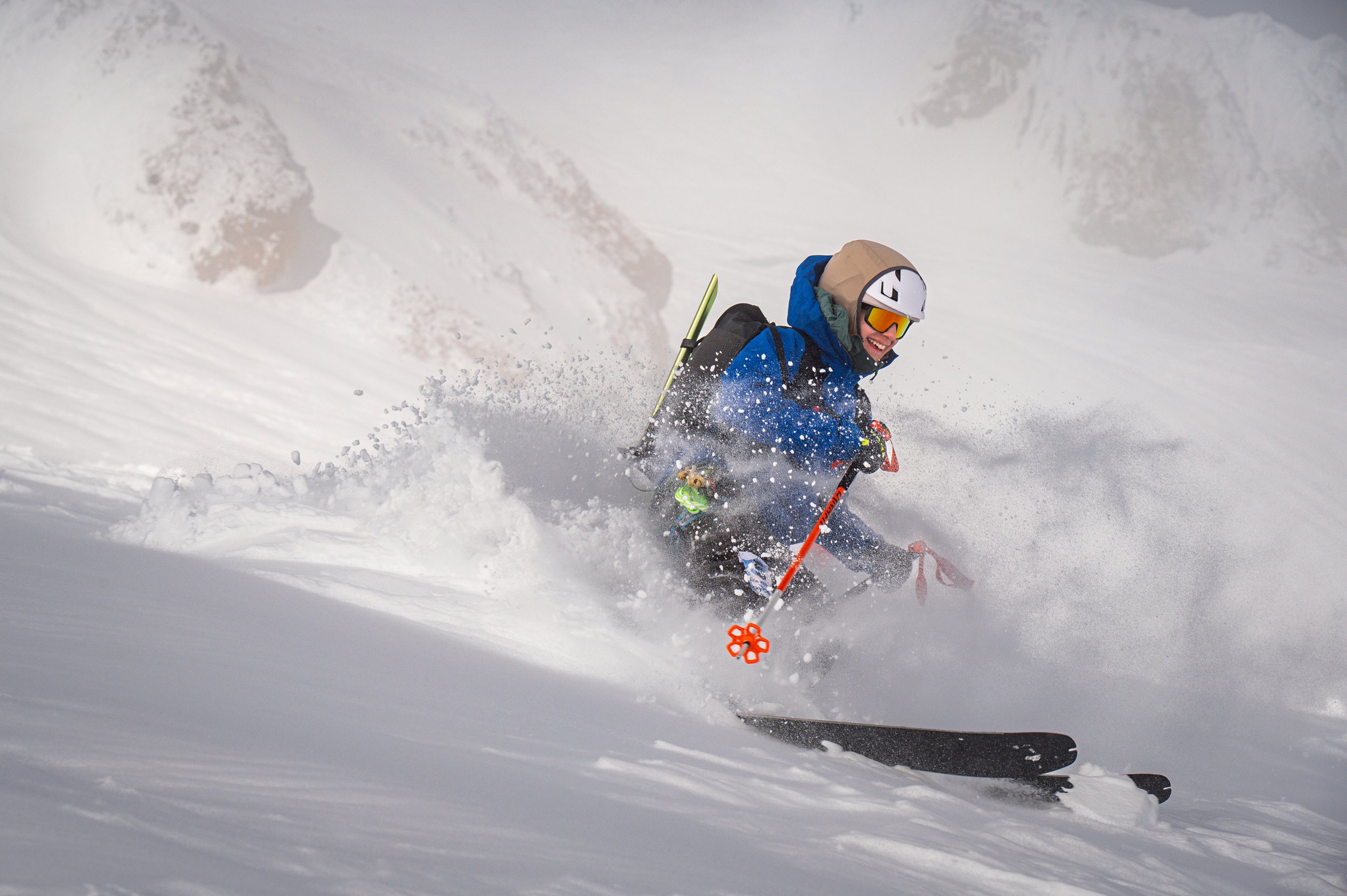
PC: Dylan DesRosier
